Reimagining power connections
Transforming AusNet's application process into an intuitive digital experience
Project Overview
AusNet Services owns and operates the Victorian electricity transmission network, one of five electricity distribution networks, and one of three gas distribution networks in Victoria. The company’s connection process was reliant on outdated, paper-based forms, leading to frustration, delays, and confusion for both business and residential users. My role as the UX Designer was to lead the transformation of this process, creating a user-friendly, digital platform for both B2C and B2B customers.
Note: Most of the illustrations and images have not been shared due to sensitivity and nature of data.
The Challenge
AusNet's existing process for applying for power connections was cumbersome, highly technical, and required users to fill out complex paper forms. These forms were often incomplete or incorrect, leading to delays and frustration for both customers and AusNet's internal teams. The goal was to create a digital self-service portal that would simplify the connection process, improve the user experience, and eliminate inefficiencies.
Project Environment
The project was a fully agile environment with scrum masters and the whole shebang. There were 3 separate delivery groups (Salesforce, Sitecore and SAP).
- From 5 to 12 devs in each delivery group.
- Daily stand-ups at the scrum board/wall.
- User stories traversed the wall leading with most impactful stories down to backlog.
- Fortnightly sprints and retros.
This project was the result of a team collaboration project I completed with product owners, business analysts, customer experience team, system architects and the development teams.
The Brief
- Convert paper-based applications forms online.
- Give ability to B2C customers to get connection cost and do their application themselves.
- Create a self-service portal for B2B customers.
- Give the ability to business to see the progress of each application, assign applications to different staff, make application progress fast and make the office paper-free.
- Keep stakeholders happy and do whatever they ask.
- Improve the “look and feel” of the service portal if possible.
Personal Objective
My personal goal for this project was to elevate the perception and importance of UX design within AusNet. By applying a systematic, user-centered design framework based on research and testing, I aimed to showcase the value of UX and ensure that the redesign of the application process was both efficient and aligned with users’ needs.
UX Design Process
Research Phase:
I began by identifying the key user groups and conducting thorough research to understand their needs:
- Who are the customers?
Both residential (B2C) and business (B2B) customers.
- What is the product?
Power connection services for various types of users.
- What are the goals?
Simplify the connection process, reduce errors, and create an efficient, self-service platform.
Findings:
- Internal stakeholders had a limited understanding of the different power connections.
- The documentation team and project managers often worked in silos, which led to repetitive and unclear information on forms.
- External contractors and engineers had not been consulted, resulting in forms that didn’t meet their needs.
- B2C customers were particularly confused by the technical jargon in the application forms, leading to frequent errors.
The Challenge
The existing paper forms were extremely complex, filled with engineering terminology that was difficult for the average user to understand. Many forms submitted by customers were incomplete, incorrect, or missing critical information, causing delays in the process.
How Might We?
- Create: A simplified and efficient connection request form and portal.
- For: Technical and non-technical users, ensuring ease of use for all.
- To: Allow users to apply for a connection with minimal friction, ensuring a seamless experience.
- So That: Customers can connect to AusNet's power network without delays, confusion, or errors.
Design Phase
Collaboration: I collaborated closely with product owners, stakeholders, and the development team to ensure that all perspectives were considered throughout the design process. Regular check-ins and reviews helped keep everyone aligned and avoided miscommunication.
Low-Fidelity Prototypes: I began by sketching low-fidelity wireframes and sharing these with stakeholders for early feedback. This allowed us to identify usability issues and refine the design before moving to high-fidelity prototypes.
Iterate & Test: Throughout the design process, I continuously iterated based on feedback from both internal stakeholders and external users. I conducted user testing with actual customers (access seekers) where possible, and used corridor testing as a fallback. This iterative approach ensured that the final design was both user-friendly and efficient.
High-Fidelity Designs: Once the design was refined, I created high-fidelity prototypes using HTML, CSS, and JavaScript. These designs were shared with stakeholders for final feedback before implementation.
Final Solution
The result was a fully digital self-service portal that allowed both B2C and B2B customers to independently apply for power connections. Key features of the solution included:
- Mobile-Friendly Design: The platform was fully responsive, allowing users to apply for connections from any device.
- Simplified Forms: Technical jargon was replaced with plain language, and tooltips were added for any necessary industry terms.
- Self-Service Portal: B2B customers could track the progress of their applications in real-time and assign tasks to team members.
- Progressive Disclosure: Complex information was revealed only when necessary, reducing the cognitive load on users.
Impact & Results
EnergyConnect, the final product, was launched in May 2020. It significantly improved the efficiency of the application process and enhanced the user experience for both B2C and B2B customers. Some key outcomes included:
- A 35% reduction in incomplete or incorrect applications, thanks to clearer forms and instructions.
- A 20% increase in the number of applications submitted through the digital portal, demonstrating improved user engagement.
- Positive feedback from both B2C and B2B users, with many highlighting the ease of use and clarity of the new system.
Conclusion
The redesign of AusNet’s connection process was a transformative project that not only improved internal efficiency but also significantly enhanced the user experience for customers. By applying user-centered design principles, collaborating with stakeholders, and focusing on simplicity, we were able to deliver a product that met the needs of all users, from first-time residential customers to seasoned business professionals. The success of this project demonstrated the importance of UX in driving meaningful change within an organisation.
Final Solution
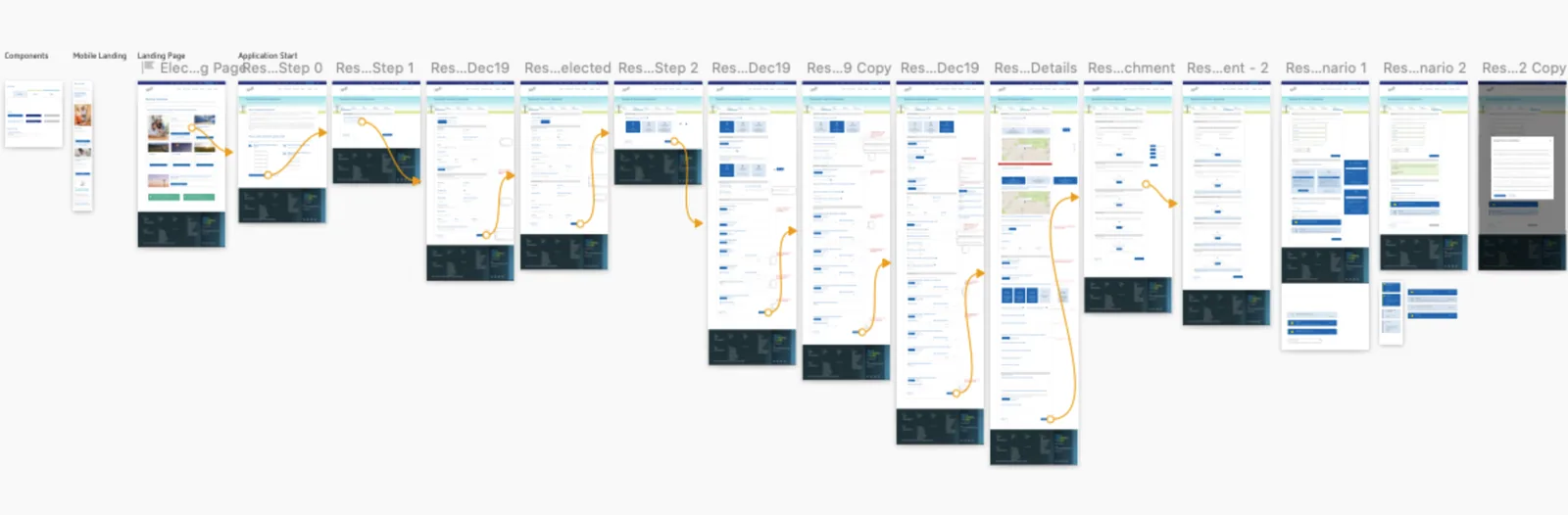
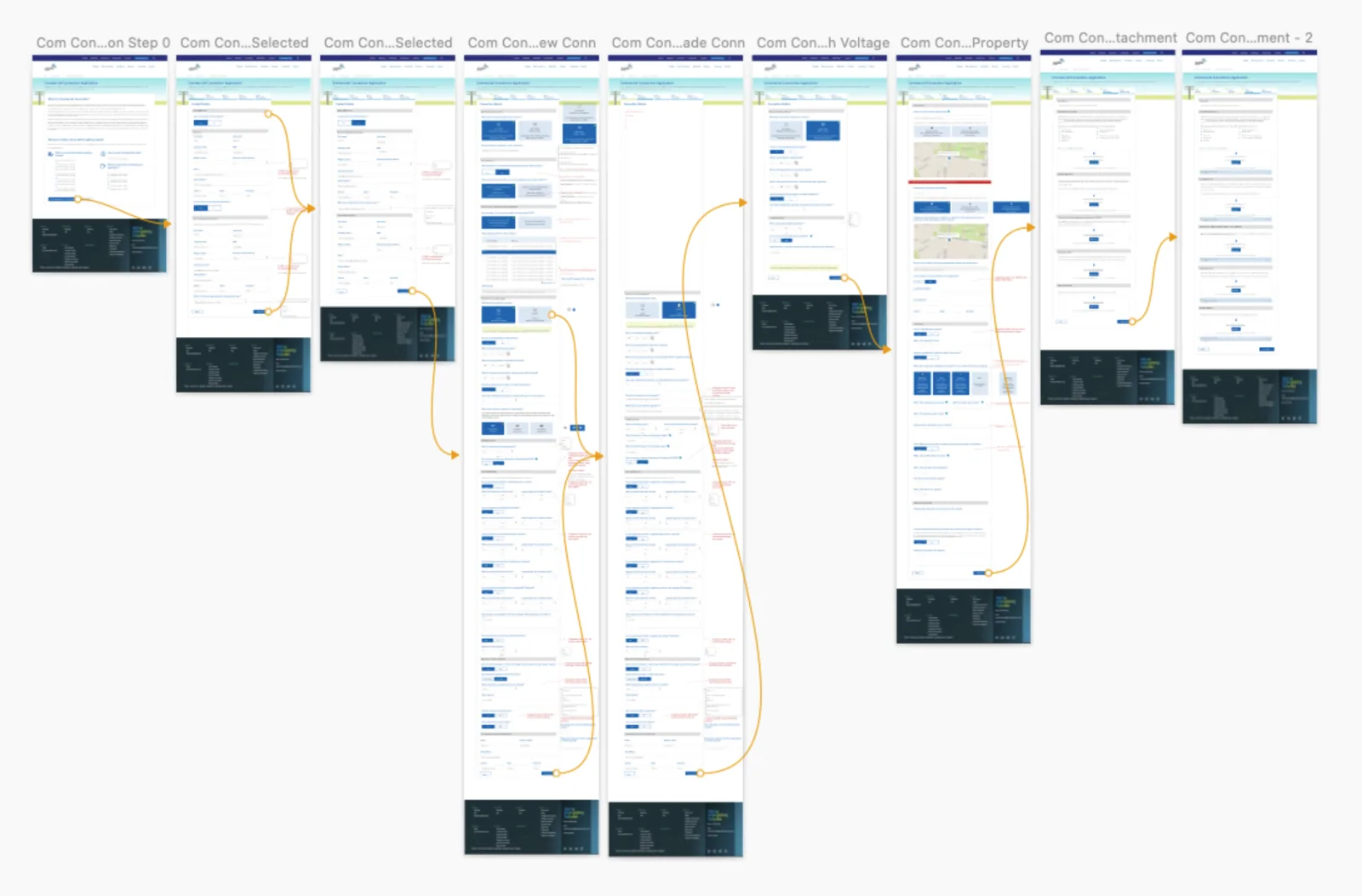
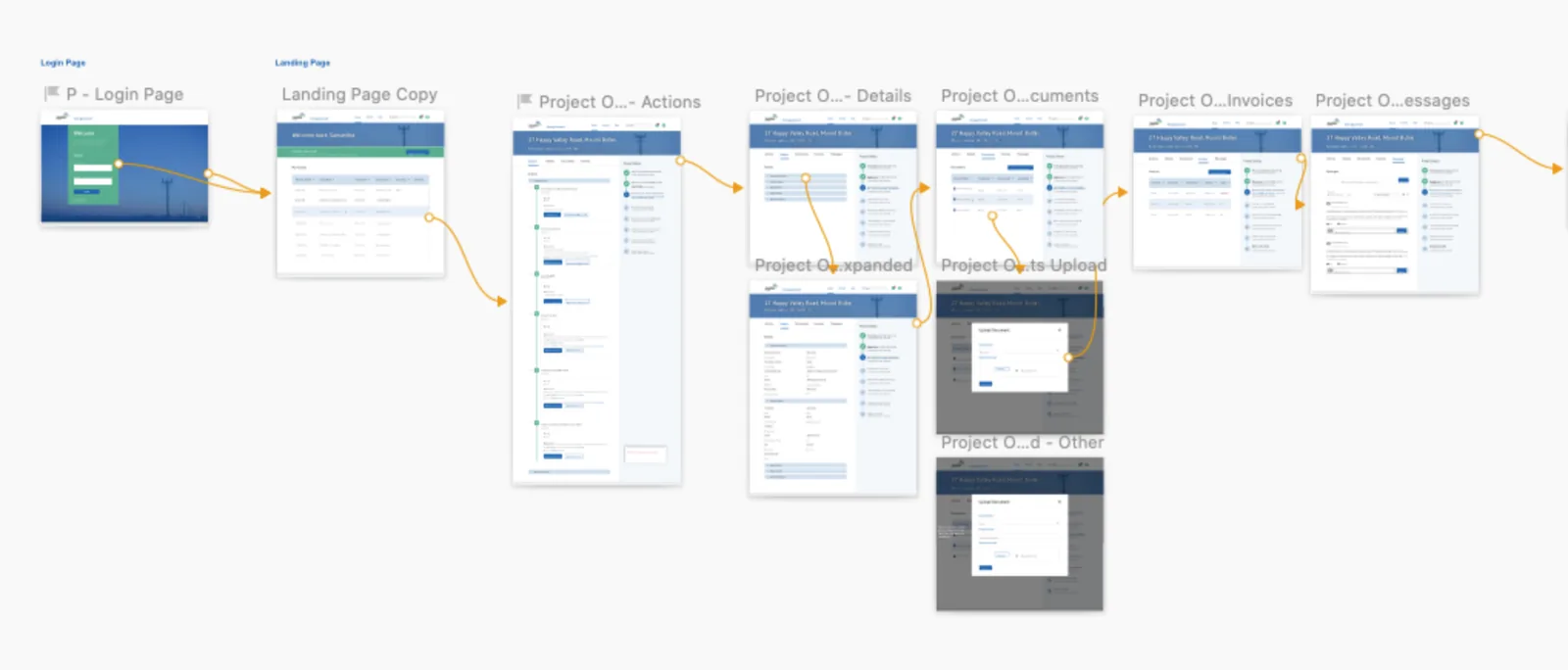
EnergyConnect has launched in May 2020. The product is being used by B2C and B2B customers.
Check out the live version by clicking the buttons below: